AI for Health Questions: What It Can Help With and What It Can’t
AI can explain medical terms, help you understand a diagnosis, and prepare you for doctor’s appointments. Here’s how to use it responsibly and what it should never replace.

AI can explain medical terms, help you understand a diagnosis, and prepare you for doctor’s appointments. Here’s how to use it responsibly and what it should never replace.

AI can build you a personalized travel itinerary, suggest accommodation, help with packing lists, and answer questions about your destination. Here’s exactly how to use it.
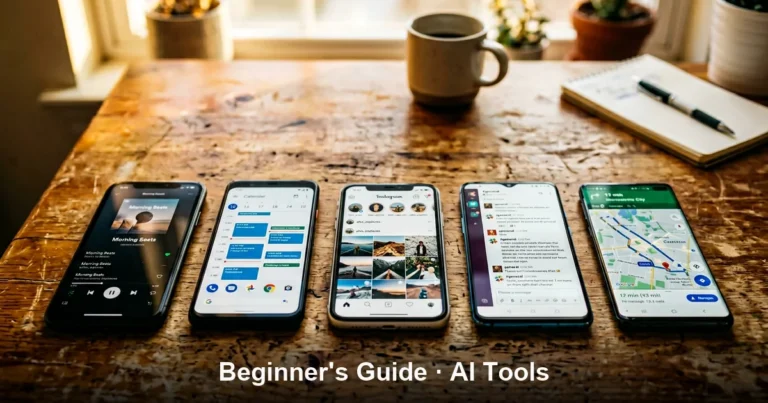
ChatGPT is not the only AI tool out there. This guide introduces the most popular ones in plain English so you can find the right tool for what you actually need.

Claude is an AI assistant made by Anthropic. It does many of the same things as ChatGPT but has its own strengths. Here’s what it is and whether it’s worth trying.

Midjourney creates images from text descriptions. You describe what you want to see, and it generates a picture. Here’s how it works and whether it’s right for you.

Microsoft Copilot is AI built directly into Windows, Word, Outlook, and Teams. If you use a Windows computer, you may already have it. Here’s what it can do for you.
Perplexity is an AI that searches the web and gives you direct answers with sources. It’s like Google but it actually answers your question instead of giving you a list of links.
Google has its own AI tool called Gemini. If you already use Gmail or Google Search, you may have access to it without knowing. Here’s what it does and how to get started.

ChatGPT can suggest recipes based on what you have, adapt dishes for dietary needs, explain cooking techniques, and help you plan meals for the week. Here’s how.

AI note-taking tools can transcribe lectures, summarise readings, and organise your notes automatically. Here’s what the best options actually do and which ones are worth using.